


Robot Vacuum Mops
Add a review FollowOverview
-
Sectors Estate Agency
-
Posted Jobs 0
Company Description
Now That You’ve Purchased Best Robot Vacuum 2023 … Now What?
The Best Robot Vacuum 2023
Robot vacuums can make cleaning your floors easier. The best robot vacuums can pick up tracked-in dirt and pet hair, crumbs and much more.
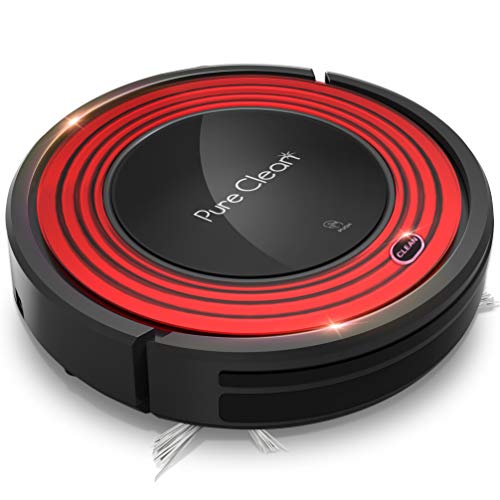 Although they’re not the same way as the regular vacuum cleaner, they’ve made significant progress in the past few years. They’re smarter, more powerful and (marginally) better at avoiding chairs.
Smart Mapping
Using navigation tools like sensors and lasers, robot vacuum cleaners move around your home, suctioning pet hair, crumbs, and dirt into their bins from hard floors like laminate, wood, and tile and carpets and area rugs with low pile. The most advanced robots map your home, to help them keep track of where they’ve been and avoid hitting obstacles like sofas, chairs and bookshelves that you may want to keep out of your way. You can also use the smartphone’s app to set up no-go zones, which tell your robot to stay out of rooms you don’t want it to clean.
Robots that have advanced mapping capabilities, like the Roomba j7, utilize onboard cameras and processor-powered smarts to see and avoid obstacles. Then, you can allow it to perform the job without having to continuously monitor the status of your floorplan or manually remove obstacles out of the way. The TP Link Tapo RV30 plus is a robot that can combine mopping and vacuuming, which means it’s an all-in-one solution for keeping your home clean. It has great suction, and it works with Alexa and Google Assistant. It is self-emptying and is also able to be used as a security camera.
A less expensive robot that vacuums, mop and can also be used as a robot trashcan The Roborock Q Revo is a excellent choice for homes that don’t require the more advanced features of the more expensive models. However, it has some limitations in comparison to Roomba S8 and j7. It’s got only one brush, not dual roller brushes, meaning it isn’t as effective at removing larger debris such as socks and shoes. It doesn’t come with AI obstacle avoidance so you may need to clear the clutter prior to running.
The iLife A4s Pro robot is a simple reliable and reliable robot for those who value simplicity and proficiency. It’s less than $200 and offers strong, consistent suction both on hardwood and low-pile rug and avoids tangles. It doesn’t include any fancy features, but it does the job well. It also works with voice commands, which means you can run it on schedule or create zones that aren’t allowed to be entered through the app.
Object Detection
Object-avoidance technology can make or break the ability of a robot vacuum to navigate your home. Some models on our list contain sensors (or even cameras) that allow your Robot vacuum Cleaner black Friday cleaner to avoid common robot traps like cords, toys for children and pet spills. iRobot Roomba j7 is one of the most amazing examples of smart technology in action, is a great example. It also features a chic clean base that emptys the trash bin automatically so that you don’t need to.
During testing we set up the robotic cleaner in a large home and were impressed with how quickly and thoroughly floors were cleaned without getting bogged down. It’s extremely maneuverable and can get into places that most standup vacuums cannot, such as under couches and under beds. It also has excellent suction, a massive 500 ml dustbin, and an over two-hour running time. However, it isn’t equipped with the ability to set zones that are not allowed to be used and its detection of objects is a little hit-or-miss, meaning we saw it hit things a few times during our tests (resulting in a few tipped vases).
It’s important to note that no matter how clever a robot vacuum might be but it can’t replace your upright or canister vacuum. It won’t be able to clean heavily soiled carpets. It’s not able to reach ceilings or other areas that are difficult to reach. But for keeping your floors free of crumbs, pet hair, dander and other debris, it can be an excellent addition to your routine of cleaning.
Most robot vacuums have sensor systems that help them navigate around obstacles and stairs. They can usually sense when they’re about to fall down a staircase, for instance, and they can detect areas that are cluttered and maneuver around them. If you’re not careful your robot-cleaner could be stuck on a cord, shoe or another object.
Some smarter robot vacuums have mapping capabilities, which allow them to create a floor plan of your home and then locate themselves within it. This lets them know what areas they’ve cleaned before and avoid wasting time going over the same areas. This allows them to continue where they left off, should they need to return to the charging dock.
Self-Emptying
A robot vacuum that automatically empties its bins of dust once it gets full is a huge benefit. Some models also have a window that lets you see when the bin has to be empty. This feature is ideal for people who have pets or children, who are likely to create lots of mess than adults.
The majority of robot vacuums let you select whether the machine can be operated with a remote, an app on your phone or via voice commands. They also come with a variety of digital functions, including maintenance and scheduling. If you set the right settings, you can program your robot to clean at a set time, or on an annual basis. You can also program it to map and clean certain areas of the house.
Some of the most advanced robot vacuums we’ve tested come with built-in cameras and smart sensor technology that allows them to create maps of your home. You can save these maps to the robot’s app to quickly navigate through your home. Some of these systems can even keep track of furniture placement and even note the transitions from hard floors to carpet.
Smart vacuums save time by mapping and cleaning entire houses automatically and keeping detailed records about the previous cleaning sessions. You can access these records through an app that you can install on your tablet or smartphone. They can also be connected to your smart speaker, so you can control them via voice commands.
TP-Link’s Tapo RV30 Plus is an affordable, self-emptying robotic vacuum that offers excellent performance for the price. It can clean floors and sweep up pet hair and other messes from rugs made of wood and low pile. It’s not as advanced as other robots we’ve reviewed, but it does what it does very well.
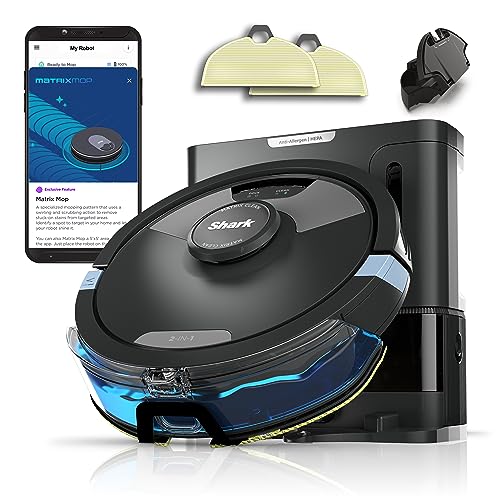 The wheels that resemble a tank on this model allow it to move across the high gaps between rooms and obstacles like tangled device cords that trip up other robots. It also has a large dust bin that doesn’t need to be emptied manually, and it’s able to recharge and resume cleaning if it’s power-depleted. It’s a bit more costly than other robotic vacuums we’ve tested however it combines powerful suction and simple controls to deliver a great value.
Voice Control
Most robot vacuums are controlled by a remote or an app that runs on smartphones. Certain robot vacuums can be operated by voice commands through smart speakers like Amazon Echo or Google Home. This is useful for families with small children or pets who could get in the way of your cleaning session or if you’re exhausted to control the robot by hand.
The majority of models have an automatic mode that works without any input from you. Simply press a button on the robot or in the app, and it will start sucking up dirt, food hair, and crumbs. They can be programmed to clean up on a regular basis and is perfect for those who want to set it and forget it.
Some of the higher-end models come with an advanced feature that makes use of artificial intelligence to detect and scan obstacles within your home. These models can identify things like stairs, power cords as well as furniture, and even identify different types of floors. This can help robots stay clear of hazards. This is especially useful in homes with large areas of rugs and other floorcoverings that are difficult for robots navigate.
Some robots are more basic in their object detection abilities, but they still get the job done. The TP-Link Tapo RV30 Plus, for instance is a model that resembles a wifi router but offers the performance of a premium bot. It is extremely suction-driven and can handle dirt and debris on carpets and hardwood floors with ease. Its short, squat-shaped side brushes are less likely to get stuck in stray shoes or cords and its hybrid roller brush uses bristles and plastic, rather than bristles in traditional form for a more thorough cleaning.
The model is more expensive than other models in the middle-end but it has everything you would expect from mop and vacuum robots. It can map out an cleaning schedule and design one. It also has virtual zones to keep out of. However, it does not have obstacles avoidance or room scanning like the j7 and S8.